

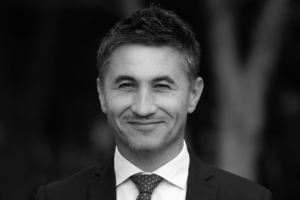
The imperative to diversify as the ground shifts in 2026BY ANTONIO FERRER | FRIDAY, 17 APR 2026 9:28AM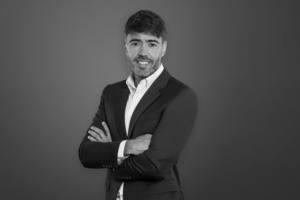 From time immemorial, the public sector has influenced or intervened in the workings of the private sector. But arguably, government interference escalated to a new level in the ... Upgrade your subscription to access this article
Join the growing community of private wealth specialists and family offices
with unlimited access to our latest news, research and analysis of the industry.
Become a premium subscriber today. |


Latest News
Australia's family offices surpass $323bn in assets
Family offices in Australia have surpassed $323 billion in assets, according to data from Rainmaker Information.
Mining, property fuel Aussie billionaires' wealth
Australian billionaires' riches are highly concentrated in mining, financial services, technology and property, accounting for 0.7% of the total US$15.1 trillion in global wealth studied by the 2026 Billionaire Census.
HNWIs demand outperforming, mission-driven endowment funds
High-net-worth investors' (HNWIs) increasing demand for philanthropy vehicles with robust governance, a clear mission and can outperform in equal measure is helping fuel the rise of endowment funds such as the Aspect Impact Fund.
Family businesses turn to external chief executives: Deloitte
While family members will largely remain at the helm of family businesses post-succession, a Deloitte Private report anticipates a meaningful shift globally, with more businesses preferring outside professionals to step into the chief executive roles.

Further Reading
Cover Story

Generation next
JAMES GOWING
FINANCE DIRECTOR
GOWING BROS LTD
FINANCE DIRECTOR
GOWING BROS LTD
To sustain a successful multi-generational business and legacy requires investment acumen grounded in strong family values. As part of the rising generation at Gowing Bros, executive director of finance James Gowing is helping position the 158-year-old company for the future. Karren Vergara writes.
Expert Feed
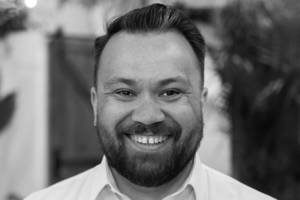
What I told a room of financial advisers about divorce
A little while ago, I was invited to present a continuing professional development seminar to nearly 500 qualified financial advisers. The topic? Ethical ...
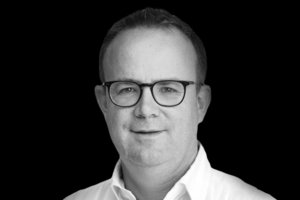
It's a commodities supercycle, but not as you know it
At present, three major megatrends are converging to potentially initiate a prolonged supercycle in commodities over the next 25 years.
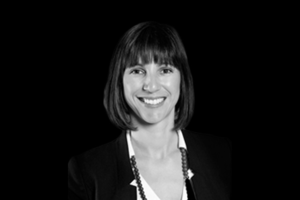
How your clients can start leaving a legacy now
Philanthropic giving often comes up in client conversations about estate planning - a time when clients are thinking about the legacy they will leave.
The complexities executives face before retirement
Executives facing retirement after long careers carry a unique set of psychological, relational, and planning complexities that ripple far beyond money.